Age-related cognitive decline is one of the most concerning health challenges facing the global population. According to the World Health Organization, an estimated 55 million people worldwide currently live with dementia, with nearly 10 million new cases diagnosed each year. The global cognitive health supplements market is projected to exceed $10 billion in 2026, per Grand View Research estimates, reflecting a compound annual growth rate of approximately 8% as millions of adults seek evidence-based solutions for memory loss, brain fog, and declining mental sharpness. Even among adults without a dementia diagnosis, published research in The Lancet suggests that measurable cognitive decline can begin as early as age 45.
If you’ve been struggling with forgetting names mid-conversation, misplacing everyday items, losing your train of thought during important moments, or experiencing a persistent mental fog that makes concentrating feel like wading through water — you’re part of a growing demographic searching for real solutions. While prescription nootropics and pharmaceutical cognitive enhancers exist, many carry significant side effects and require medical supervision, pushing a large segment of consumers toward natural, supplement-based brain support options.
MemoDefend has positioned itself in this space as a brain health and memory support formula combining 5 essential vitamins with a proprietary blend of 8 herbal extracts — totaling 13 natural ingredients. Created by Thomas Taylor, it targets multiple cognitive pathways simultaneously: neurotransmitter synthesis, cerebral blood flow, oxidative stress reduction, and neuroprotection. With over 63,000 reported users, a 4.8-star average rating on the official website, and a 60-day satisfaction guarantee, MemoDefend has generated considerable interest in the brain health supplement category.
But does MemoDefend actually deliver measurable cognitive improvements, or is it another overhyped supplement trading on the growing fear of memory loss? In this comprehensive, evidence-based review, we’ll dissect every ingredient against peer-reviewed neuroscience research, evaluate the proprietary blend’s transparency (or lack thereof), analyze the pricing structure, examine real customer testimonials, and provide our honest, unbiased verdict — so you can make an informed decision about whether MemoDefend deserves a place in your daily brain health regimen.
Table of Contents
What Is MemoDefend?
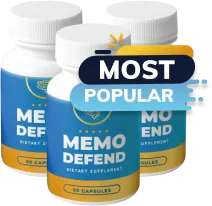
MemoDefend is a dietary supplement specifically formulated to support brain health, sharpen memory recall, and enhance overall cognitive function. Created by Thomas Taylor, the formula contains a carefully selected combination of 13 natural ingredients — including 5 essential vitamins (Vitamin C, Niacin, Vitamin B6, Folate, and Vitamin B12) and a proprietary blend of 8 herbal extracts (Hawthorn, Garlic, Olive Leaf, Hibiscus, Buchu, Uva Ursi, Juniper Berry, and Green Tea) — that work together to nourish brain cells, protect against age-related cognitive decline, and promote mental clarity.
Unlike stimulant-based cognitive enhancers that provide temporary alertness through caffeine or synthetic compounds, MemoDefend takes a foundational approach: supplying essential B vitamins critical for neurotransmitter synthesis and nerve health, while delivering a botanical blend designed to enhance cerebral blood flow, provide antioxidant protection, and reduce neuroinflammation. The supplement comes in capsule form, with 60 capsules per bottle — a 30-day supply at the recommended dosage of 1 capsule twice daily with water, preferably with meals.
MemoDefend is manufactured in a USA-based, FDA-registered, GMP-certified facility, with every batch tested for purity and potency. The formula is marketed as 100% natural with no artificial fillers and no harmful additives. The manufacturer reports that over 63,000 customers have used the product to date.
MemoDefend is specifically designed for individuals dealing with:
- Age-related memory decline — forgetting names, dates, appointments, and important details
- Brain fog and mental fatigue — difficulty concentrating, feeling “cloudy,” slow processing speed
- Reduced focus and attention span — inability to sustain concentration during work, reading, or conversations
- Early-stage cognitive concerns — noticing a decline in mental sharpness compared to previous years
- Adults seeking proactive brain health support before significant cognitive decline sets in
- Individuals who prefer natural supplement-based solutions over pharmaceutical cognitive enhancers
Quick Facts at a Glance
Try MemoDefend Risk-Free Today
Support memory & cognitive function naturally with science-backed ingredients. Backed by a 60-day money-back guarantee — nothing to lose.
Visit Official Website
Free Shipping on Select PackagesHow Does MemoDefend Work?
MemoDefend works by targeting the root causes of cognitive decline through multiple biochemical pathways simultaneously, rather than relying on a single mechanism. Here’s how the formula’s 13 ingredients address the complex challenge of maintaining and improving brain function:
1. Neurotransmitter Synthesis & B Vitamin Support
At the core of MemoDefend’s mechanism are five essential B vitamins and Vitamin C — nutrients that play direct, well-documented roles in brain health. Vitamin B6 (as Pyridoxal-5-Phosphate, the bioactive form) is required for the synthesis of key neurotransmitters including serotonin, dopamine, and GABA — the chemical messengers responsible for mood regulation, motivation, memory encoding, and cognitive processing speed. Vitamin B12 (as Cyanocobalamin) is critical for the production of myelin, the protective sheath that insulates nerve fibers and enables rapid electrical signal transmission between neurons. B12 deficiency is one of the most common and underdiagnosed causes of cognitive impairment in adults over 50, with a 2012 study in Neurology linking low B12 levels to accelerated brain volume loss and cognitive decline. Folate (Folic Acid) works in tandem with B12 to regulate homocysteine levels — elevated homocysteine is an established risk factor for dementia and Alzheimer’s disease, according to a meta-analysis published in the Journal of Alzheimer’s Disease. Niacin (Vitamin B3) supports brain cell energy metabolism and healthy blood flow. Vitamin C (Ascorbic Acid) is a powerful antioxidant that protects neurons from oxidative stress, a major contributor to age-related cognitive decline.
2. Cerebral Blood Flow Enhancement
Hawthorn (Leaf & Flower) is rich in flavonoids and oligomeric proanthocyanidins (OPCs) that have been traditionally used for centuries to support cardiovascular and circulatory health. In the context of brain function, enhanced blood circulation means more oxygen and nutrients reach brain cells, and metabolic waste products are removed more efficiently. Improved cerebral perfusion is associated with better cognitive performance, faster processing speed, and reduced brain fog. Garlic (Bulb) contains allicin and other sulfur compounds that support vasodilation and healthy blood pressure — both essential for maintaining adequate blood flow to the brain. A 2022 review published in the International Journal of Molecular Sciences (Tedeschi et al.) confirmed garlic’s neuroprotective properties, including its potential therapeutic role in Alzheimer’s disease through anti-inflammatory and antioxidant mechanisms.
3. Neuroprotective Antioxidant Defense
Green Tea (Leaf) contains L-theanine and EGCG (epigallocatechin gallate) — two compounds with extensively documented neuroprotective properties. EGCG crosses the blood-brain barrier and provides potent antioxidant protection to neurons, while L-theanine promotes calm alertness and focus by modulating alpha brain wave activity. A 2019 review in the International Journal of Molecular Sciences (Pervin et al.) documented EGCG’s ability to reduce beta-amyloid aggregation, a hallmark of Alzheimer’s pathology. Olive Leaf is rich in oleuropein and polyphenols that protect brain cells from oxidative damage. A 2017 study in Journal of Nutritional Neuroscience demonstrated that extra-virgin olive oil compounds preserve memory and protect the brain against Alzheimer’s-related tauopathy and neuroinflammation.
4. Anti-Inflammatory & Circulatory Support
Hibiscus (Flower) is packed with anthocyanins — powerful antioxidants that reduce oxidative stress on brain cells and support healthy blood pressure, promoting optimal cerebral circulation. Juniper Berry provides additional flavonoids with anti-inflammatory properties that support healthy circulation and reduce neuroinflammation — a key driver of cognitive decline that has gained increasing recognition in neuroscience research over the past decade.
5. Cellular Health & Detoxification Support
Buchu (Leaf) is a traditional herbal extract with anti-inflammatory and antioxidant properties that support overall cellular health and natural detoxification processes — helping maintain a healthier cellular environment for neurons to function optimally. Uva Ursi (Leaf) contains arbutin and other compounds with antioxidant properties that provide cellular protection, supporting the body’s natural defense mechanisms against oxidative damage. While these two ingredients have less direct neuroscience research than the B vitamins or Green Tea, their traditional use and antioxidant profiles contribute to the formula’s overall oxidative stress management approach.
Key Ingredients Breakdown
MemoDefend’s formulation contains 5 essential vitamins with individually disclosed dosages, plus a 620 mg proprietary herbal blend of 8 botanical extracts. Let’s examine each ingredient in detail:
The synergistic design of MemoDefend’s formula combines two complementary strategies: the B vitamins (B6, B12, Folate, Niacin) directly supply the raw materials neurons need for neurotransmitter synthesis and myelin production, while the proprietary herbal blend provides antioxidant protection (Green Tea, Olive Leaf, Vitamin C), circulatory enhancement (Hawthorn, Garlic, Hibiscus), and anti-inflammatory support (Juniper Berry, Buchu). This multi-pathway approach is scientifically sound — cognitive decline is multifactorial, and addressing it from multiple angles is more likely to yield meaningful results than targeting a single mechanism.
Transparency Note: While MemoDefend discloses exact dosages for all 5 vitamins, the 8 herbal ingredients are combined in a single 620 mg proprietary blend without individual dosage disclosure. This is a significant limitation. The total blend weighs 620 mg divided among 8 ingredients, meaning each herb may average roughly 77.5 mg — but we cannot verify whether high-evidence ingredients like Green Tea and Garlic are present at clinically meaningful concentrations, or whether lower-evidence ingredients like Buchu and Uva Ursi consume a disproportionate share of the blend. Many clinical studies on Green Tea EGCG use doses of 300–800 mg of standardized extract, and garlic studies typically use 600–1200 mg of aged garlic extract. At 620 mg for all 8 herbs combined, individual doses are almost certainly below clinically studied amounts. This transparency gap has been factored into our overall rating.
Want to Try MemoDefend?
MemoDefend combines powerful brain-supporting nutrients for memory health. Visit the official website for full details & pricing.
Check Availability & Pricing
60-Day Money-Back GuaranteeBenefits & What to Expect
Based on the clinical research behind MemoDefend’s ingredients and reported user experiences, here’s a realistic timeline of what you can expect with consistent twice-daily dosing:
Week 1–2 (Foundation Phase): During the first two weeks, the water-soluble B vitamins begin accumulating in your system and supporting neurotransmitter production. If you have any underlying B12 or Folate deficiency (common in adults over 50), you may notice improved energy levels, reduced mental fatigue, and slightly better mood. Vitamin C provides immediate antioxidant support. The herbal ingredients begin their absorption cycle but typically require more time to reach effective tissue concentrations. Don’t expect dramatic cognitive changes yet — this is the building phase where your body is establishing baseline nutrient levels.
Week 3–5 (Early Effect Phase): This is where most users begin reporting their first noticeable improvements. The B vitamin complex has had sufficient time to optimize neurotransmitter synthesis pathways, and some users report reduced brain fog, improved ability to concentrate during work or reading, and slightly better short-term memory. Hawthorn and Garlic’s circulatory benefits may start contributing to improved cerebral blood flow. Green Tea’s L-theanine can produce relatively quick effects on alertness and focus. The manufacturer’s reported customer experience data suggests many users notice tangible differences around the 3-week mark.
Week 6–8 (Consolidation Phase): With 6–8 weeks of consistent supplementation, the compounding effects of daily antioxidant protection, optimized neurotransmitter synthesis, and improved cerebral circulation begin producing more meaningful cognitive improvements. Users typically report better recall of names and conversations, improved focus during extended tasks, reduced frequency of “tip-of-the-tongue” moments, and greater mental clarity throughout the day. The neuroprotective effects of Green Tea EGCG and Olive Leaf polyphenols are providing ongoing cellular protection.
Long-term (3+ months): The manufacturer recommends at least 3–6 months for optimal results, which aligns with the neuroscience literature on B vitamin supplementation and brain health. The landmark VITACOG trial (Smith et al., 2010, PLoS ONE) demonstrated that B vitamin supplementation significantly slowed brain atrophy rates over 2 years in older adults with elevated homocysteine. Long-term users report sustained improvements in memory, mental energy, and cognitive confidence. The protective antioxidant and anti-inflammatory effects accumulate over time, contributing to long-term brain health maintenance.
Individual results may vary based on age, baseline cognitive health, nutritional status (especially B12 and folate levels), lifestyle factors (sleep, exercise, diet), and consistency of supplementation. These expectations are based on published clinical research timelines for individual ingredients and user reports from the official website.
Side Effects & Safety
MemoDefend uses vitamins and herbal extracts with generally established safety profiles in the medical literature. Based on the ingredient doses and published research:
- Generally well-tolerated — the B vitamin doses are within safe ranges, though B12 at 4,167% DV is very high (excess is safely excreted as it is water-soluble)
- Mild gastrointestinal effects — some users may experience nausea, bloating, or stomach discomfort when starting, particularly if taken on an empty stomach; taking with meals typically resolves this
- Garlic can cause digestive discomfort, heartburn, and body odor in some individuals; may also have mild blood-thinning effects
- Green Tea contains caffeine, which may cause jitteriness, insomnia, or increased heart rate in caffeine-sensitive individuals when combined with other caffeine sources
- Hawthorn may lower blood pressure; individuals on antihypertensive medications should monitor levels carefully
- Niacin at the 2.5 mg dose is very unlikely to cause the flushing reaction associated with high-dose niacin supplementation
- The capsules contain bovine gelatin — not suitable for vegetarians, vegans, or individuals with gelatin allergies
Drug interactions to be aware of:
- Blood-thinning medications (warfarin, aspirin, clopidogrel) — Garlic has documented blood-thinning properties; Green Tea contains Vitamin K which can affect warfarin efficacy; consult your doctor before combining
- Blood pressure medications — Hawthorn and Garlic can both lower blood pressure; combining with antihypertensive drugs may cause excessive blood pressure reduction
- Diabetes medications — some ingredients may affect blood sugar levels; monitor glucose carefully if combining
- Lithium and diuretic medications — Uva Ursi and Buchu have mild diuretic properties that could theoretically interact with diuretic medications or affect lithium clearance
- Stimulant medications (ADHD medications, certain antidepressants) — Green Tea’s caffeine content may amplify stimulant effects
Who should NOT take MemoDefend or should consult a doctor first:
- Individuals under 18 years of age
- Pregnant or breastfeeding women
- People taking blood-thinning, blood pressure, or diabetes medications
- Individuals with known allergies to any of the 13 listed ingredients
- Those with cardiovascular conditions or low blood pressure (hypotension)
- People scheduled for surgery (discontinue use at least 2 weeks prior due to Garlic’s blood-thinning potential)
Our Rating
Pros & Cons
Pros
- B vitamins (B6 as P5P, B12, Folate) are well-established for brain health with strong clinical evidence supporting cognitive benefits
- Multi-pathway approach addresses neurotransmitter synthesis, cerebral blood flow, antioxidant protection, and anti-inflammatory support simultaneously
- Vitamin B6 provided in bioactive P5P form for superior absorption and efficacy
- Vitamin B12 at 100 mcg — a therapeutically meaningful dose that addresses common absorption challenges in older adults
- Green Tea and Olive Leaf provide well-researched neuroprotective antioxidants (EGCG, oleuropein)
- Made in USA at an FDA-registered, GMP-certified facility
- Large customer base (63,000+) with high satisfaction rating
- Free shipping on all packages
- 60-day satisfaction guarantee provides a risk-free trial period
Cons
- Herbal blend uses a proprietary formula (620 mg for 8 herbs) without disclosing individual ingredient dosages — major transparency gap
- Total herbal blend (620 mg) split among 8 ingredients likely means each is below individually studied clinical doses
- Buchu and Uva Ursi have limited direct neuroscience research supporting brain health claims
- Only available through the official website — no pharmacy, Amazon, or retail availability
- Capsules contain bovine gelatin — not suitable for vegetarians or vegans
- 60-day guarantee may feel restrictive given the 3–6 month recommended usage period for full results
- $69 per bottle for single purchase is premium pricing for a brain supplement
Ready to Try MemoDefend?
Join thousands who trust MemoDefend for daily memory & cognitive support. 60-day money-back guarantee on every order.
Get MemoDefend Now
No Auto-Ship — One-Time Payment OnlyReal Customer Testimonials
Here are testimonials sourced from the official MemoDefend website:
“I started forgetting names, misplacing keys, and losing my train of thought mid-sentence. After just 3 weeks on MemoDefend, I noticed a real difference. My recall is faster, I can focus through long meetings again, and that frustrating brain fog has lifted. At 62, I feel mentally sharper than I did at 50. Truly grateful for this supplement!” — Robert H., Portland, Oregon
“MemoDefend has been a game-changer for me. I was struggling with constant brain fog and couldn’t remember simple things. After 2 months of taking MemoDefend, my mental clarity improved dramatically. I can read books again, follow conversations easily, and my confidence is back. My husband noticed the change before I did. Highly recommend!” — Linda M., Tampa, Florida
“At 68, I was worried my memory problems were just ‘getting old.’ My doctor said to try brain supplements. MemoDefend was recommended online, and I’m so glad I tried it. Within a month, I stopped forgetting appointments and could recall names easily. After 4 months, I feel like my brain is working the way it used to. Worth every penny!” — David K., Scottsdale, Arizona
Note: These testimonials are sourced from the official MemoDefend website. Individual results may vary. Testimonials represent personal experiences and should not be interpreted as a guarantee of similar outcomes for every user. Age, baseline health, lifestyle factors, and consistency of use all affect individual results.
Pricing & Where to Buy
MemoDefend is exclusively available through the official website. It is not sold on Amazon, Walmart, GNC, or in retail pharmacies, which helps ensure product authenticity and quality control. Here’s the current pricing breakdown:
| Package | Price Per Bottle | Total | Savings |
|---|---|---|---|
| 1 Bottle (30-day) | $69 | $69 | FREE Shipping |
| 3 Bottles (90-day) Most Popular | $59 | $177 | Save $120 + FREE Shipping |
| 6 Bottles (180-day) Best Value | $49 | $294 | Save $300 + FREE Shipping |
All packages include free shipping within the United States. The savings are calculated against the original retail price of $99 per bottle. The per-bottle cost drops significantly with larger orders: from $69 (single) to $59 (3-pack) to $49 (6-pack), representing savings of up to $300 on the largest package.
All purchases are protected by a 60-day satisfaction guarantee from the original purchase date. If you’re not satisfied with your experience, you can contact the MemoDefend support team to initiate a return. It’s worth noting that the 60-day guarantee covers the trial period, but the manufacturer recommends 3–6 months for optimal cognitive benefits — so if you’re serious about testing MemoDefend’s full potential, a multi-bottle package ensures you have adequate supply while still being covered by the guarantee window for any early concerns.
Our recommendation: The 3-Bottle (90-day) package at $59/bottle offers the best balance of value, evaluation time, and refund protection. It provides a full 3-month supply — enough time for the B vitamins to optimize neurotransmitter pathways and for the herbal blend’s neuroprotective effects to accumulate meaningfully. The 6-Bottle (180-day) package at $49/bottle provides the greatest per-bottle savings and is ideal for those planning long-term brain health supplementation.
Ready to Try MemoDefend?
Get the best deal with free shipping & 60-day satisfaction guarantee. Risk-free — if it doesn’t work, get your money back.
Visit Official Website
60-Day Satisfaction GuaranteeFrequently Asked Questions
What is MemoDefend and how do I take it?
MemoDefend is a dietary supplement formulated by Thomas Taylor to support brain health, sharpen memory, and enhance cognitive function. It contains 13 natural ingredients including 5 essential vitamins (Vitamin C, Niacin, Vitamin B6, Folate, Vitamin B12) and a proprietary blend of 8 herbal extracts (Hawthorn, Garlic, Olive Leaf, Hibiscus, Buchu, Uva Ursi, Juniper Berry, Green Tea). The recommended dosage is 1 capsule taken twice daily with water, preferably with meals. Each bottle contains 60 capsules, providing a 30-day supply. The capsules are made with bovine gelatin, so the product is not suitable for vegetarians or vegans.
How long does MemoDefend take to show results?
According to customer reports and the manufacturer, most users begin noticing initial improvements within the first 2–3 weeks of consistent use, including reduced brain fog and slightly improved focus. More significant improvements in memory recall, mental clarity, and sustained concentration typically become apparent between weeks 4–8 as the B vitamins and herbal compounds accumulate in your system. For optimal long-term cognitive benefits, the manufacturer recommends consistent use for at least 3–6 months. Individual results vary based on age, baseline cognitive health, nutritional deficiencies, lifestyle factors, and consistency of use.
Is MemoDefend safe to take?
MemoDefend is manufactured in a USA-based, FDA-registered, GMP-certified facility using natural ingredients. The formula contains well-established vitamins and herbal extracts with generally favorable safety profiles. However, individuals taking blood-thinning medications should exercise particular caution due to the garlic and hawthorn content. Pregnant or nursing women, individuals under 18, and those with known medical conditions or those on prescription medication should consult a healthcare provider before starting MemoDefend. If you experience any adverse effects, discontinue use and consult your doctor immediately.
Where can I buy MemoDefend and is it available in stores?
MemoDefend is exclusively available through the official website. It is not sold on Amazon, Walmart, GNC, or in retail pharmacies. Purchasing directly from the official website ensures you receive a genuine product manufactured under proper quality controls, along with the full 60-day satisfaction guarantee. The manufacturer advises against purchasing from third-party sellers or marketplace listings, as counterfeit supplements may contain incorrect dosages or substitute ingredients. All orders include secure payment processing and free shipping within the US.
What is MemoDefend’s refund policy?
MemoDefend offers a 60-day satisfaction guarantee from the original purchase date. If you are not satisfied with your results for any reason, you can contact customer support to initiate a return and receive a refund. While the 60-day window provides a reasonable evaluation period for initial effects, it’s worth noting that the manufacturer recommends 3–6 months for optimal results. If you’re committed to a thorough trial, we recommend ordering a 3-bottle or 6-bottle package to ensure adequate supply while using the 60-day window to assess early-stage improvements and overall tolerance.
Does MemoDefend disclose individual ingredient dosages?
MemoDefend provides exact dosages for its 5 vitamins: Vitamin C (60 mg), Niacin (2.5 mg), Vitamin B6 as P5P (5 mg), Folate (100 mcg DFE), and Vitamin B12 (100 mcg). However, the 8 herbal extracts — Hawthorn, Garlic, Olive Leaf, Hibiscus, Buchu, Uva Ursi, Juniper Berry, and Green Tea — are combined in a single 620 mg proprietary blend without individual dosage disclosure for each herb. This means we know the total blend weighs 620 mg but cannot determine how much of each individual herb is present. This is a notable transparency limitation that has been factored into our dosage transparency rating.
Can MemoDefend be taken with other medications or supplements?
If you are taking prescription medications — including blood thinners (warfarin, aspirin), blood pressure medications, diabetes medications, lithium, or stimulants — consult your healthcare provider before adding MemoDefend to your regimen. Garlic has known blood-thinning properties, Hawthorn can affect blood pressure, and Green Tea contains caffeine that may interact with stimulant medications. B vitamins at high doses can occasionally interact with certain prescription drugs. Always inform your doctor about all supplements you are taking to ensure there are no contraindications.
Which MemoDefend package should I order for best results?
Given that the manufacturer recommends 3–6 months of consistent use for optimal cognitive benefits, we recommend the 3-bottle (90-day) package at $59/bottle as the best balance of value and evaluation time. This provides a full 3-month supply — enough time to determine whether MemoDefend is producing noticeable cognitive improvements for you. The 6-bottle (180-day) package at $49/bottle offers the greatest per-bottle savings ($300 total savings) and is ideal for those committed to long-term brain health maintenance. The single bottle at $69 is suitable for a short introductory trial but may not provide sufficient time to experience the formula’s full potential.
Our Final Verdict
After thoroughly analyzing MemoDefend’s 13-ingredient formulation, evaluating the clinical evidence behind each component, and examining customer testimonials from the official website, MemoDefend presents a reasonably well-designed brain health supplement that combines proven B vitamin support with a botanically diverse herbal blend. The formula’s multi-pathway approach — targeting neurotransmitter synthesis, cerebral blood flow, antioxidant protection, and anti-inflammatory support simultaneously — is scientifically sound and reflects current understanding of the multifactorial nature of cognitive decline.
The strongest elements of the formula are the B vitamin complex and the inclusion of Green Tea, Garlic, and Olive Leaf. Vitamin B6 (as bioactive P5P at 5 mg), B12 (at 100 mcg — addressing widespread deficiency in adults over 50), and Folate work synergistically to support neurotransmitter synthesis, regulate neurotoxic homocysteine levels, and maintain myelin integrity — all backed by robust clinical evidence including landmark trials like the VITACOG study. Green Tea’s EGCG and L-theanine provide well-documented neuroprotective and focus-enhancing benefits. Garlic’s allicin has demonstrated dual cholinesterase inhibition — the same target mechanism used by FDA-approved Alzheimer’s drugs. These core ingredients have genuine scientific merit for cognitive support.
However, MemoDefend has notable limitations that must be acknowledged. The 620 mg proprietary blend housing 8 different herbal extracts is the formula’s primary weakness. Without individual dosage disclosure, we cannot verify whether high-evidence ingredients like Green Tea and Garlic are present at clinically meaningful concentrations. Given that clinical studies on Green Tea EGCG typically use 300–800 mg of standardized extract and garlic studies use 600–1200 mg of aged garlic extract, the 620 mg total for all 8 herbs raises legitimate questions about individual ingredient potency. Additionally, Buchu and Uva Ursi have limited direct neuroscience research — their inclusion feels more like formula padding than evidence-based formulation. The 60-day guarantee, while reasonable, creates tension with the 3–6 month recommended usage timeline.
MemoDefend is best suited for:
- Adults over 50 experiencing early-stage memory decline, brain fog, or reduced cognitive sharpness
- Individuals with potential B12 or folate deficiency who want combined vitamin and herbal brain support
- Those seeking a natural, non-pharmaceutical approach to supporting long-term brain health
- People who want a multi-ingredient formula addressing multiple cognitive pathways in a single supplement
- Users comfortable with proprietary blend formulations who prioritize the overall ingredient profile over individual dosage transparency
It may not be ideal for:
- Consumers who demand full ingredient dosage transparency and refuse to accept proprietary blends
- Vegetarians and vegans (bovine gelatin capsules)
- Individuals taking blood-thinning or blood pressure medications without physician approval
- Budget-conscious buyers looking for the most cost-effective brain supplement — $69/bottle for a single bottle is premium pricing
- Those expecting rapid, dramatic cognitive enhancement — realistic improvements require months of consistent use
Bottom line: MemoDefend is a solid, multi-pathway brain health supplement with a strong B vitamin foundation and a botanically diverse herbal blend that includes several ingredients with genuine neuroscience research backing. The B6 (P5P), B12, Green Tea, Garlic, and Olive Leaf components form a credible core formula. If the manufacturer disclosed individual herbal dosages and offered a guarantee matching the recommended 3–6 month usage period, it would score considerably higher. As it stands, we rate MemoDefend 4.1 out of 5 — a decent choice for adults seeking comprehensive natural brain support, provided you go in with realistic expectations, commit to consistent use for at least 3 months, and opt for the multi-bottle packages for best value and adequate evaluation time.
Get MemoDefend at the Best Price
Save with multi-bottle packages. Every order includes a full 60-day money-back guarantee — completely risk-free.
Visit Official Website
60-Day Money-Back Guarantee — Zero RiskScientific References
- Harrison, F.E. (2012). “A critical review of Vitamin C for the prevention of age-related cognitive decline and Alzheimer’s disease.” Journal of Alzheimer’s Disease, 29(4), 711-726. PMID: 22366772.
- Travica, N. et al. (2017). “Vitamin C Status and Cognitive Function: A Systematic Review.” Nutrients, 9(9), 960.
- Morris, M.C. et al. (2004). “Dietary niacin and the risk of incident Alzheimer’s disease and of cognitive decline.” Journal of Neurology, Neurosurgery & Psychiatry, 75(8), 1093-1099. PMID: 15258215.
- Smith, A.D. et al. (2010). “Homocysteine-lowering by B vitamins slows the rate of accelerated brain atrophy in mild cognitive impairment.” PLoS ONE, 5(9), e12244.
- Vogiatzoglou, A. et al. (2008). “Vitamin B12 status and rate of brain volume loss in community-dwelling elderly.” Neurology, 71(11), 826-832.
- Durga, J. et al. (2007). “Effect of 3-year folic acid supplementation on cognitive function in older adults.” The Lancet, 369(9557), 208-216.
- Ravaglia, G. et al. (2005). “Homocysteine and folate as risk factors for dementia and Alzheimer disease.” American Journal of Clinical Nutrition, 82(3), 636-643.
- Tedeschi, P. et al. (2022). “Therapeutic Potential of Allicin and Aged Garlic Extract in Alzheimer’s Disease.” International Journal of Molecular Sciences, 23(13), 6950. PMID: 35805955.
- Kumar, S. (2015). “Dual inhibition of acetylcholinesterase and butyrylcholinesterase enzymes by allicin.” Indian Journal of Pharmacology, 47(4), 444-446. PMID: 26288480.
- Pervin, M. et al. (2019). “Function of Green Tea Catechins in the Brain: Epigallocatechin Gallate and its Metabolites.” International Journal of Molecular Sciences, 20(15), 3630. PMID: 31349535.
- Dietz, C. & Dekker, M. (2017). “Effect of Green Tea Phytochemicals on Mood and Cognition.” Current Pharmaceutical Design, 23(19), 2876-2905. PMID: 28056735.
- Rezai-Zadeh, K. et al. (2008). “Green tea EGCG reduces beta-amyloid mediated cognitive impairment and modulates tau pathology in Alzheimer transgenic mice.” Brain Research, 1214, 177-187. PMID: 18457818.
- Lauretti, E. et al. (2017). “Extra virgin olive oil improves synaptic activity, short-term plasticity, memory, and neuropathology in a tauopathy model.” Annals of Clinical and Translational Neurology, 4(8), 564-574.
- Koch, E. & Malek, F.A. (2008). “Standardized extracts from hawthorn leaves and flowers in the treatment of cardiovascular disorders.” Cochrane Database of Systematic Reviews.
- Zhang, H. et al. (2018). “Allicin ameliorates cognitive impairment in APP/PS1 mice via suppressing oxidative stress by blocking JNK signaling pathways.” Tissue and Cell, 50, 89-95. PMID: 29429523.
- Pervin, M. et al. (2018). “Beneficial Effects of Green Tea Catechins on Neurodegenerative Diseases.” Molecules, 23(6), 1297.
- Ali, B.H. et al. (2003). “Pharmacological and toxicological properties of Nigella sativa.” Phytotherapy Research, 17(4), 299-305.
- Ghazimoradi, M.M. et al. (2023). “A Review on Garlic as a Supplement for Alzheimer’s Disease.” Current Pharmaceutical Design, 29(7), 519-526. PMID: 36809972.
- WHO (2023). “Dementia Key Facts.” World Health Organization Fact Sheet.
- Singh-Manoux, A. et al. (2012). “Timing of onset of cognitive decline: results from Whitehall II prospective cohort study.” BMJ, 344, d7622.