Blood sugar supplements are sold mostly to people with prediabetes, type 2 diabetes or a family history that worries them. That makes this one of the categories where marketing can do real harm, because the audience often already takes medication that works.
What’s in them, and what studies show
Most formulas draw on the same short list: berberine, cinnamon, chromium, bitter melon, gymnema, alpha-lipoic acid and magnesium. Some add banaba leaf or white mulberry.
Berberine has more clinical research behind it than most. Some studies suggest it may lower fasting glucose modestly, although many trials were small, and stomach upset is a common side effect. Cinnamon has produced mixed results, with some trials showing a small effect and others none. Chromium has been studied for decades without a consistent benefit for most people. Bitter melon and gymnema have a traditional history but limited high-quality human data.
Even the better-supported ingredients appear to have smaller effects than standard diabetes medicines, and none has the long-term safety record those drugs do. A supplement is not a substitute for monitoring your A1C or for treatment your doctor has prescribed.
How we check a blood sugar product
This category attracts some of the boldest claims online, so we look for pages that keep their wording measured. A good page shows:
- Wording like “supports healthy blood sugar levels” rather than promises to “reverse” diabetes or end the need for insulin or other medication
- A clear statement that medication should continue as prescribed, instead of stories of people who stopped their prescriptions
- The price shown up front, not only at the end of a long video sales letter
- Plain guidance on buying from the official website
- Bundle and subscription terms that are easy to read and easy to cancel
It also helps to know that regulators have found some supplements marketed for diabetes to contain undeclared prescription drugs, which can push blood sugar dangerously low. Buying from the official seller matters here.
Who needs medical advice first
If you take insulin, metformin, a sulfonylurea or any other glucose-lowering drug, talk to your doctor before adding a blood sugar supplement. Combining them can raise the risk of hypoglycemia, and some ingredients, berberine especially, can interact with how the body processes other medicines. Pregnant or breastfeeding women should avoid berberine. People with kidney or liver disease, and anyone on blood thinners, should also get advice first.
Never reduce or stop a diabetes medication on your own because a supplement seems to be working. Keep testing as your care team advises.
Each review below checks ingredients, evidence, safety, price and refund terms so you can compare products on the same footing.
Blood Sugar Support products we have reviewed (2)
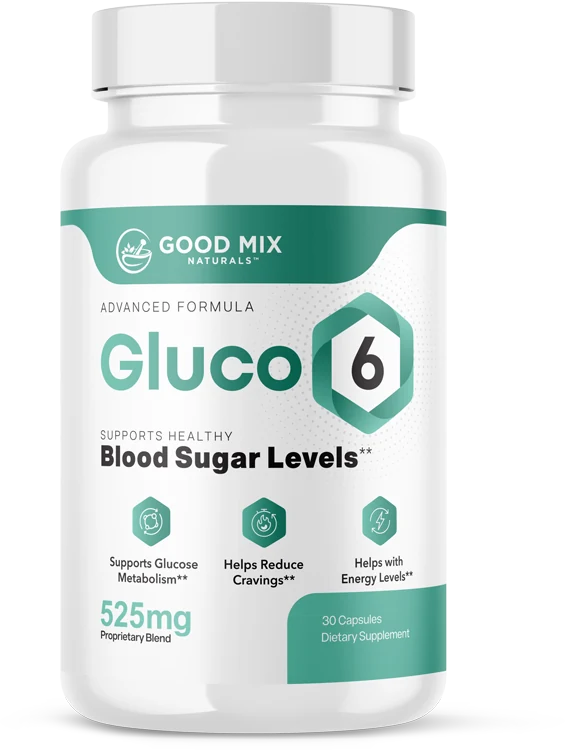
Gluco6
Once-a-day capsule built around Sukre prebiotic fiber (L-arabinose) with green tea, TeaCrine, gymnema, cinnamon, eleuthero, chromium, vitamin D3 and vitamin B1. The seller says it is designed to support healthy blood sugar levels already within the normal range, and weight management, with a 60-day money-back guarantee.
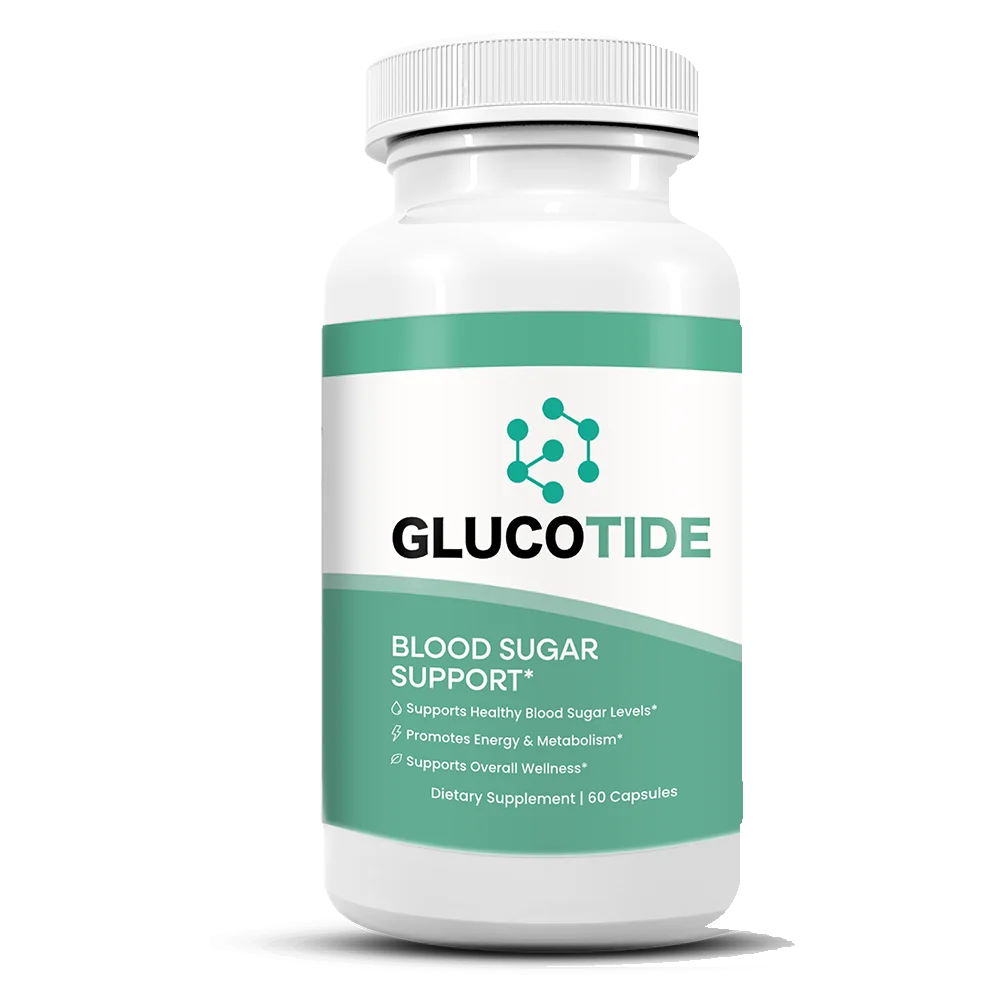
Glucotide
Daily capsule of minerals, vitamins and plant extracts: vitamin C, vitamin E, biotin, magnesium, zinc, manganese and chromium plus a 12-ingredient plant blend. The seller says it is designed to support healthy blood sugar levels already within the normal range, glucose metabolism and steady energy, with a 60-day money-back guarantee.
See our ranked shortlist: Best Blood Sugar Support Supplements of 2026: Top Picks