Bloating, irregularity, gas and a general sense that the gut is “off” are among the most common complaints people try to fix on their own. Digestive products answer with probiotics, prebiotic fibers, digestive enzymes, herbal teas and capsules, and multi-day “cleanses” that promise to flush out toxins or parasites.
What the science supports
Probiotics are the biggest seller, and the most misunderstood. Their effects depend on the specific strain, not just the species, and a benefit seen with one strain in one condition doesn’t transfer to the whole category. Some strains have reasonable evidence for reducing diarrhea linked to antibiotics. For general gut health in healthy people, the evidence is much less clear.
Several simpler options have better support. Psyllium husk, a soluble fiber, helps many people with constipation and regularity. Enteric-coated peppermint oil has some evidence for easing symptoms of irritable bowel syndrome. Lactase enzyme can help people with lactose intolerance digest dairy. Ginger may settle some types of nausea.
Colon cleanses and detox kits are a different matter. There is no good evidence the body needs them, and many work simply as strong laxatives.
How to read a digestive supplement label
A good probiotic label names each strain in full, letters and numbers included, and states the count of live organisms through the end of shelf life, not just at manufacture. A label that only says “proprietary probiotic blend” tells you very little.
Other things we like to see:
- Wording about supporting digestive comfort, rather than promises to heal “leaky gut” or remove parasites without any testing
- Gentle formulas, rather than cleanses containing senna or cascara, which are stimulant laxatives not meant for regular use
- A focused claim, rather than one capsule that fixes bloating, weight, skin and mood together
- Subscription terms that are easy to find and cancel
Who should see a doctor first
Some digestive symptoms need a medical assessment rather than a supplement. These include blood in the stool or black stools, unexplained weight loss, difficulty swallowing, persistent vomiting, a lasting change in bowel habits after age 50, and anemia. Severe or worsening abdominal pain should be seen promptly.
People with weakened immune systems, those who are critically ill and anyone with a central line should ask a doctor before taking probiotics. Peppermint oil can make heartburn worse. Fiber supplements can affect how some medicines are absorbed, so space them apart and check with a pharmacist if you take regular prescriptions.
Each review below checks ingredients, evidence, safety, price and refund terms.
Digestive Wellness products we have reviewed (1)
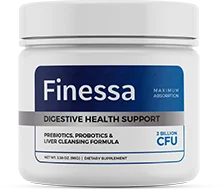
Finessa
Daily gut-liver powder: one scoop mixed into water or your favorite drink each morning, with a 1,000 mg polyphenol blend, a 755 mg gut health blend, a 450 mg liver health blend, a 52.5 mg probiotic blend (5 billion CFU) and Akkermansia muciniphila AH39. The seller says it is designed to support smooth digestion, regularity, a healthy gut balance and liver and colon health, with a 180-day money-back guarantee.