Eye supplements are marketed for nearly every complaint, from screen fatigue and dry eyes to fading night vision and age-related eye disease. The typical formula contains lutein and zeaxanthin, often joined by zinc, vitamins C and E, omega-3 fats, bilberry or astaxanthin.
The one area with strong evidence
Eye health has something rare in the supplement world: a large, long-running set of trials run by the U.S. National Eye Institute, known as the AREDS studies. They found that a specific combination of vitamin C, vitamin E, zinc and copper, with lutein and zeaxanthin in the later version, may slow the progression of intermediate or advanced age-related macular degeneration in one or both eyes.
Two details matter. First, the benefit applied to people who already had a certain stage of the disease, not to people with healthy eyes. Second, the earlier formula used beta-carotene, which was later replaced because beta-carotene has been linked to a higher risk of lung cancer in smokers.
Outside that specific use, the evidence is much thinner. A large trial of omega-3 supplements for dry eye found they worked no better than a placebo. Bilberry has long been promoted for night vision, but good studies have not supported it. Lutein may raise pigment levels in the retina, though whether that improves everyday vision for healthy people remains uncertain.
Claims to walk away from
No supplement has been shown to restore perfect vision, remove the need for glasses, or dissolve cataracts. Products that promise these things, often through long video presentations and stories of discarded reading glasses, are selling hope rather than evidence.
When comparing products, check whether doses match those used in published research, whether the label is transparent, and whether the seller is a traceable company rather than an anonymous “official” site with urgent countdown timers. Watch the checkout page for auto-ship add-ons.
When to see an eye doctor
Supplements are no substitute for eye exams. Glaucoma, for example, often causes no symptoms until vision has already been lost, which is why regular checks matter as you age.
Seek urgent care for sudden vision loss, a curtain or shadow across your vision, a burst of new floaters or flashes of light, or a painful red eye. Talk to an eye doctor before starting a supplement if you have macular degeneration, so you choose the right formula, and ask a doctor or pharmacist if you smoke, take blood thinners or have kidney problems, since some ingredients raise concerns in those groups.
Each review below checks ingredients, evidence, safety, price and refund terms.
Eye Health products we have reviewed (1)
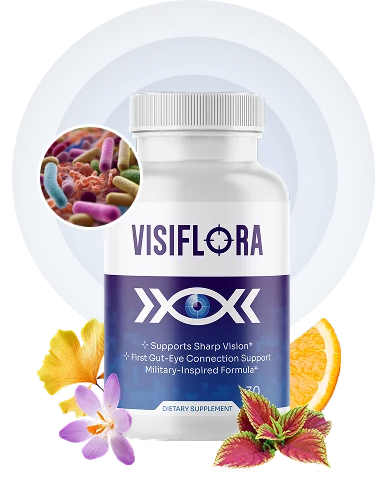
VisiFlora
Once-a-day eye-wellness capsule, 30 per bottle. The label lists 21 ingredients: vitamins A, C and E, zinc, selenium, copper, chromium and a 351 mg blend that includes lutein, zeaxanthin, astaxanthin, bilberry, saffron and lycopene. The seller says it is designed to support eye health and visual comfort through the gut-eye connection, with a 60-day money-back guarantee.