Rubbing something on a sore spot is one of the oldest forms of pain relief. Today’s options include creams, gels, roll-ons, sprays and patches for sore muscles, aching joints, back pain and nerve discomfort. Some contain over-the-counter drug ingredients with real research behind them. Others lean on herbal extracts, essential oils or CBD, where the evidence is much thinner.
Active ingredients and the evidence
Topical NSAID gels, such as diclofenac, have some of the strongest evidence in this category. They can help with osteoarthritis pain in joints close to the skin, like the knees and hands, and with sprains and strains, while exposing the rest of the body to less of the drug than tablets do.
Menthol and camphor create a cooling or warming sensation that may distract from pain for a while. Capsaicin, the compound that makes chili peppers hot, can reduce some nerve and joint pain with regular use, although the burning feeling puts some people off. Lidocaine numbs the skin and is used for certain types of nerve pain. Methyl salicylate, which gives many rubs their wintergreen smell, is related to aspirin.
Arnica and CBD creams are widely sold, but good-quality evidence for either is limited. Testing of CBD products has also found that labels do not always match what is inside.
Safety and how we check a product
Topical does not mean risk-free. Health regulators have reported rare but serious skin burns from over-the-counter muscle and joint products containing menthol, methyl salicylate or capsaicin. Don’t use them under a heating pad or tight bandage, on broken or irritated skin, or straight after a hot shower. Products with methyl salicylate are dangerous if swallowed, so keep them away from children.
We look for wording like “temporary relief of minor aches” rather than promises to “eliminate” pain permanently. We like a named doctor behind any “doctor-recommended” label, CBD balms that avoid disease claims, and multi-pack bundles with clear reorder terms.
Who should check with a doctor or pharmacist first
Ask before using these products if you are allergic to aspirin or other NSAIDs, take blood thinners, have kidney disease, heart failure or stomach ulcers, or are pregnant, especially in later pregnancy when NSAIDs are generally avoided. Using a topical NSAID while also taking an NSAID tablet can add up to more than intended.
Pain after a fall or injury, a joint that is hot and swollen, pain with numbness or weakness, or pain that lasts more than a couple of weeks should be assessed in person.
Each review below checks the active ingredients, evidence, safety, price and refund terms.
Topical Pain Relief products we have reviewed (1)
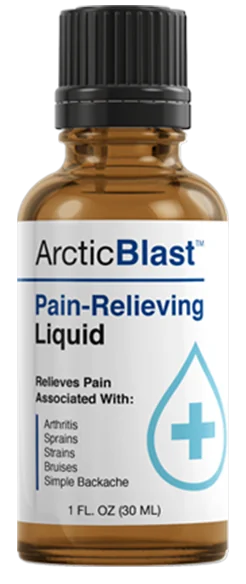
Arctic Blast
A topical pain-relieving liquid in a 1 fl oz (30 mL) amber dropper bottle, applied to the skin. Its Drug Facts label lists menthol 10.00% and camphor 3.00% as the active ingredients, and the seller says the formula uses DMSO as a carrier. The seller says it is designed to support the body's natural pain relief response, and backs every order with a 365-day money-back guarantee.