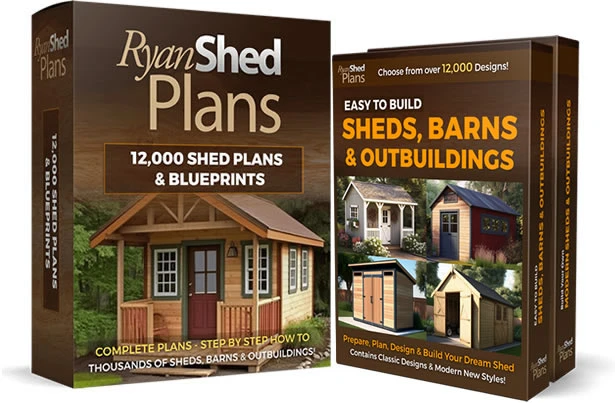
A shed is a real structure, so the safety work starts before the first cut. This page covers the checks that matter most: permits and local rules, the call before you dig, the tools in your shop and the heavy lifts that come with a roof. It is written for anyone using My Shed Plans or any other shed plan.
Sheds are structures. A plan does not replace your local permit, size, setback or foundation checks. Read the rules first, then build.
Check the plan before you cut
Materials lists and cutting lists let you check the job before you buy wood. One payment of $37, with a 60-day money-back guarantee.
Get My Shed Plans ($37) One payment · PDF plansStart with local rules
Rules for sheds vary by place. Many areas set limits on size and height, require a setback from property lines, and control the foundation. Some places require a permit even for small sheds, and a few have rules for the roof or the electric wiring.
Before you buy lumber, ask your local building department:
- Do I need a permit for this size of shed?
- What setback do I need from the fence and the property line?
- Are there height limits or rules for the roof?
- Does the foundation or the floor need an inspection?
A plan from any library does not answer these questions for your address. Never assume a shed built from a plan meets your local code.
Build with the rules in mind
A plan library with materials lists and cutting lists, for $37 in one payment, with a 60-day money-back guarantee.
Get My Shed Plans ($37) One payment · 60-day money-back guaranteeCall before you dig
Before you dig for footings, call 811 in the US. The call lets utility companies mark gas, water, sewer, power and phone lines on the ground. Digging into a buried line is dangerous, and it can be expensive. Mark your footing spots after the lines are marked, and keep the markings in sight while you dig.
Use every power tool the right way
Most shed plans call for a circular saw, a drill, a miter saw and a nail gun, and many builders add a sander. Each tool has its own manual, and the manual is the first safety guide you should read.
- Read the manual. Follow the instructions for every saw, drill and nail gun before you use it.
- Wear eye and hearing protection. Saws and nail guns are loud and throw debris.
- Keep guards in place. Do not remove a blade guard to make a cut easier.
- Unplug before changing blades. Disconnect the power before you change a blade or clear a jam.
- Work with a clear space. Keep cords, offcuts and the floor clear around the saw.
Get help with heavy lifts
Wall frames and roof parts are heavy and awkward. Lifting one alone can strain your back or drop the piece onto your foot. Get a helper for the wall frames, the rafters and any roof panel. Agree on the lift before you start, and set the piece down before you adjust it.
Ladders and roofing
Roof work is where many home builders get hurt. Use a ladder that is rated for your weight and set on firm, level ground. Tie off or use a fall-protection plan when you work high on a roof, and do not work alone at height. Check the weather before you lift roof sheets, since wind and wet surfaces make the work harder to control.
Read the whole plan first
Before the first cut, read the whole plan once: the materials list, the cutting list, the step-by-step instructions and the drawings. Look for any step that needs a second person, a special tool or a permit inspection. Mark those points on your schedule, so you do not start a step before you are ready for it.
What “beginner” does and does not mean
Shed plans are written to be followed, but a plan does not make the build safe on its own. A clear plan helps you measure and cut correctly. It does not teach you how to handle a saw, how to brace a wall or how to lift a roof section. Learn the tools first, practice on scrap wood, and go slowly on the first few cuts.
When to stop and get help
Stop and get help if you are unsure about a cut, a footing, a roof load or a utility line. A local contractor, a building inspector or an experienced builder can check your work in a few minutes. It costs less than a repair, and it keeps the build on track.
Your guarantee and your safety
The seller offers a 60-day money-back guarantee on the library. The guarantee covers the purchase, not the build. Your safety on site comes from the rules you check, the tools you use with care and the helpers you bring in.
Start with a plan you can check
Lists, drawings and a choice of roofs, for $37 in one payment with a 60-day money-back guarantee. Check local rules before you build.
Get My Shed Plans ($37) One payment · 60-day money-back guaranteeA short safety checklist
- Check your local permit, size, setback and foundation rules.
- Call 811 before you dig footings in the US.
- Read every tool manual before first use.
- Wear eye and hearing protection.
- Get a helper for wall frames and roof parts.
- Work on a firm, level base, and do not work alone at height.
- Keep your confirmation email and order details with the plan.
Order the shed plan library
About 12,000 plans per the seller, with materials lists and cutting lists. $37 in one payment, with a 60-day money-back guarantee.
Get My Shed Plans ($37) One payment · PDF plansMy Shed Plans Official Pricing
My Shed Plans library
Online shed plan library with members-area access, one payment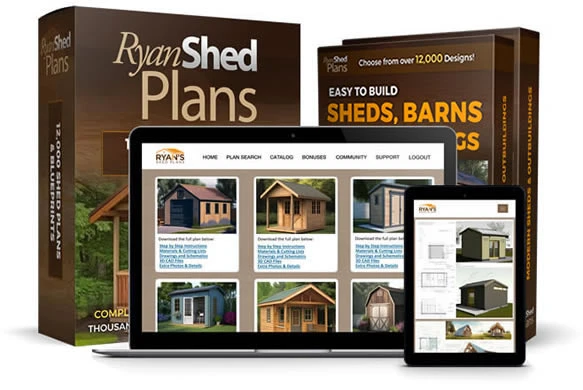 $37/purchase$37 total
- Shed plan library, about 12,000 plans per the seller
- Materials lists, cutting lists with tools and step-by-step instructions, per the seller
- Every roof style from gable to saltbox, per the seller
- Four bonuses: Advanced Woodworking Tips, Magic Modifications, Directory of Suppliers and 400 Woodworking Plans
- 60-day money-back guarantee

Prices as published on the official order page (checked November 24, 2026). Tax and the final amount in your currency are shown at checkout.
Other DIY & Home Projects products we have reviewed

Energy Revolution System
A digital PDF guide that the seller says shows how to build a small home power device. The guide is $39 in one payment, with a download link sent by email after your order. The seller's page does not list the guide's contents, parts or cost, and we have not tested the guide. The seller's own disclaimer calls the presentation promotional and the device an experiment that was not technically assessed. Home electrical and generator projects carry fire and shock risks.

Smart Water Box
A guide that the seller says explains how to build a small box that collects water from humid air. The seller's main page does not show a price, a list of contents or the format of the guide, so check those on the official order page before you pay. The seller's own disclaimer calls the device an experiment that was not technically assessed. We have not seen the guide. Water made by any home device should be treated or tested before drinking, and output depends on humidity and temperature.
TedsWoodworking
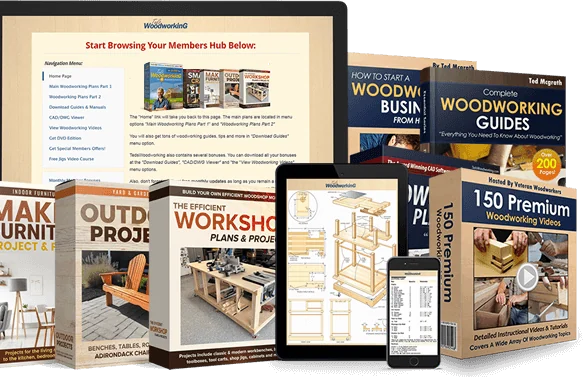
An online woodworking plan library for $67, paid once. The seller says the library holds about 16,000 plans with cut lists, materials lists and exploded-view drawings, searchable by category and skill level, with plans in PDF and DWG and new plans added monthly. Three bonuses are included: a DWG/CAD plan viewer, 150 premium videos and complete woodworking guides. A 60-day money-back guarantee applies. Plans are not made to meet any building code, so check local rules before you build a shed or other structure.

Water Freedom System
A digital guide, in PDF and video files, that the seller says shows how to build a small home device that collects water from humid air. The digital version is $39.69 in one payment. A printed book with US shipping is also offered at $39.69 plus $9.95 shipping and handling. The seller's page does not list the parts, tools or cost, and we have not tested the guide. Water made by any home device should be treated or tested before drinking, and output depends on humidity and temperature.
More on My Shed Plans: full guide · DIY & Home Projects products