Brain supplements sell a feeling most of us want: sharper focus, a quicker memory, less of that afternoon fog. Some are marketed to students and office workers as “nootropics.” Others target older adults worried about forgetfulness. The ingredient lists often look scientific, which can make them seem more proven than they are.
Popular ingredients, honestly assessed
Caffeine is the one ingredient almost guaranteed to make you feel more alert, at least for a few hours. Paired with L-theanine, an amino acid found in tea, it may produce a smoother kind of focus, though the research is mostly short-term.
Bacopa monnieri has a number of small trials suggesting it may help some aspects of memory after several weeks of daily use. Ginkgo biloba is the most famous memory herb, yet a large, long-running trial in older adults found it did not prevent dementia. Omega-3 fats, particularly DHA, are important for the brain, but supplements have not reliably improved memory in healthy people. Lion’s mane mushroom, phosphatidylserine and citicoline all have early or limited human data.
One clear exception: a true vitamin B12 deficiency can cause memory and thinking problems, and correcting it can help. That is a reason to get tested, not a reason to take a “brain formula.”
How to spot a weak or risky product
Cognitive supplements are heavily advertised through fake news articles and invented celebrity endorsements. If a well-known person seems to credit a pill for their success, check whether they ever actually said so. Usually they didn’t.
Other things to look for on the label and the sales page:
- “Clinically proven” claims with no study you can find
- Proprietary blends that list a dozen compounds but no amounts
- Large stimulant doses hidden under unfamiliar plant names
- Free-trial offers that quietly convert into recurring charges
Audio tracks and “brain activation” programs
Not every product in this category is a pill. Some are digital audio tracks sold with promises of focus, memory or “whole brain activation”. Most are built on binaural beats or similar sound patterns. Small studies on binaural beats report short-term changes in attention or mood, but results are mixed and no audio product we know of has been tested in its own trial. Treat them as a low-risk experiment at a comfortable volume, never while driving, and ask a doctor first if you have epilepsy or a hearing problem.
When to speak with a doctor
Memory changes that are new, getting worse or worrying the people around you deserve a proper medical assessment. Many causes are treatable, including thyroid problems, low B12, sleep disorders, depression and medication side effects.
Get advice before starting a cognitive supplement if you take blood thinners, since ginkgo may raise bleeding risk. The same applies if you take antidepressants or other psychiatric medicines, have epilepsy, are pregnant, or are sensitive to caffeine. Some mood and focus blends include St John’s wort, which interacts with many common drugs.
Each review below checks the ingredients, the evidence, safety, price and refund terms, and tells you plainly where the evidence runs out.
Cognitive Support products we have reviewed (5)
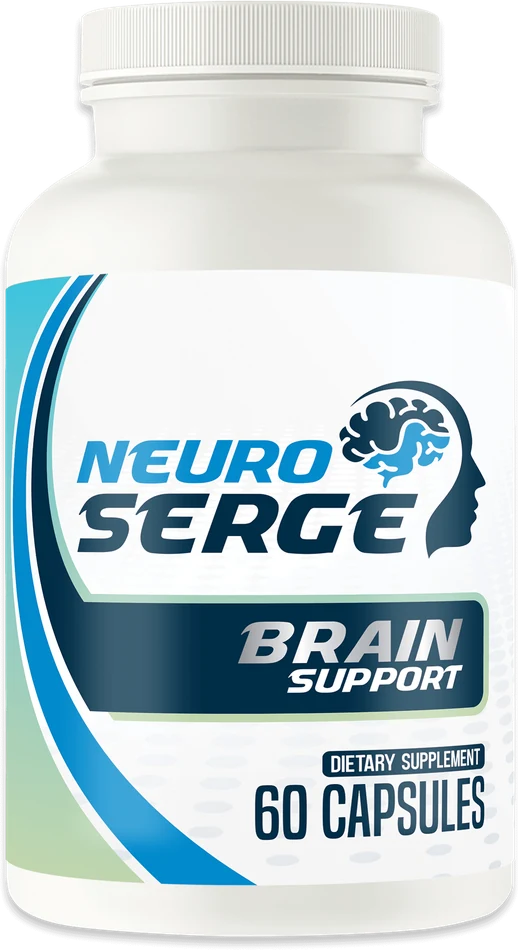
Neuro Serge
Brain support capsule (60 capsules per bottle) built around six named plant extracts: green tea, grape seed, bilberry, olive leaf, cassia cinnamon and DGL licorice. The seller says it is designed to support brain health, focus, memory and mental clarity, with a 90-day money-back guarantee counted from the order date.
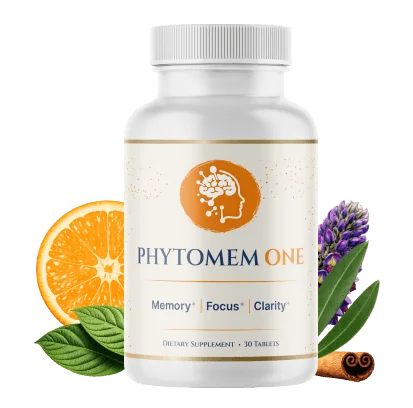
Phytomem One
Once-a-day chewable tablet with a 10-ingredient proprietary blend (458 mg), designed to support memory, focus and mental clarity, according to the seller. Built around saffron, fucoxanthin, fucoidan, berberine, Ceylon cinnamon and more.
The Brain Song
A $39 twelve-minute digital audio that the seller says guides the brain toward Gamma brainwave patterns linked with BDNF, the molecule tied to learning, focus and overall brain wellness. You listen at home, once a day.
The Genius Song
A $39 digital audio track the seller says lasts about 7 minutes and "activates" the gamma brain wave. It is an audio product, not an app, and no study has tested the track itself.
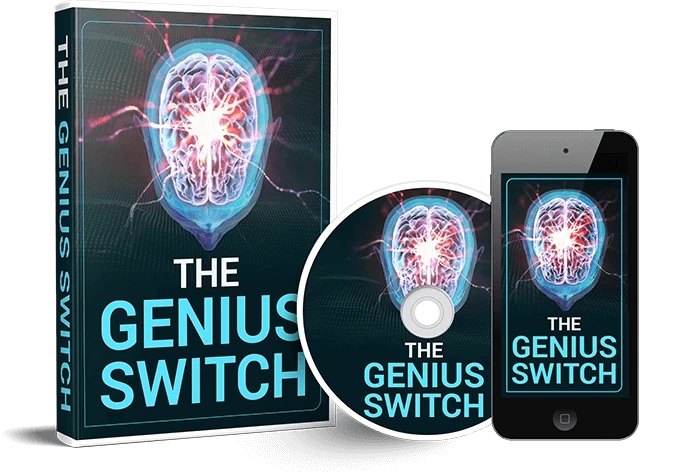
The Genius Switch
A $39 eight-minute digital audio track sold as "whole brain activation". It is an audio file, not an app or a game, and no study has tested the track itself.
See our ranked shortlist: Best Cognitive Support Supplements of 2026: Our Editorial Picks