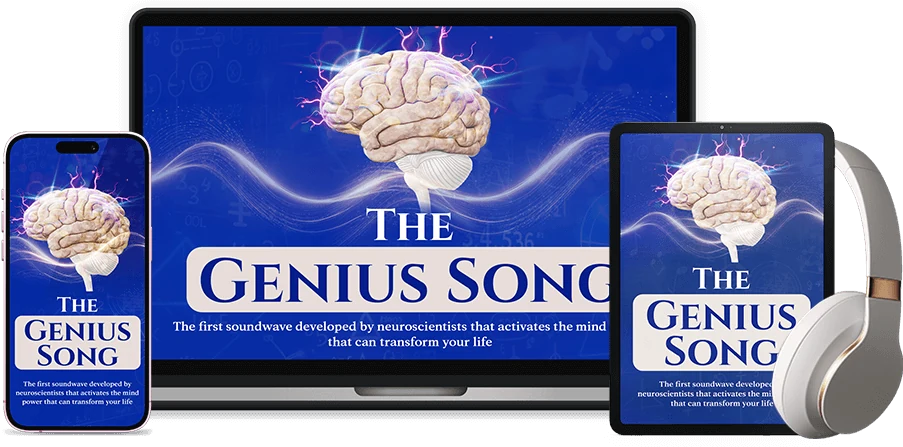
This is the safety sheet for The Genius Song. It covers two things: how to listen without harm, and how to protect yourself from a sales pitch that leans hard on pressure and unverifiable stories. No safety study of the track exists, so the listening advice here is our general guidance for audio-entrainment products, not medical advice.
Safety at a glance
- Physical risk: low for most adults at a comfortable volume.
- Never: while driving or operating machinery.
- Ask a doctor first: epilepsy, a seizure history or a hearing problem.
- Not a treatment: the site says it is “not intended to diagnose, treat, cure, or prevent any disease”.
- Seller’s own framing: “for entertainment purposes only”, per the Terms.
- Presenter: “Dr. Robert Lake” is a pen name, per the site’s disclaimer.
- Testimonials: may be acted, avatars, compensated or from founders’ friends and family, per the Terms.
Listening safety
The seller’s routine is simple: headphones on, eyes closed, relax for about 7 minutes a day. Here is how to do that safely.
| Topic | Our advice | Reason |
|---|---|---|
| Volume | Start low and raise it only to a comfortable level | Loud headphone audio can damage hearing over time |
| Position | Sit or lie down somewhere safe | The routine asks you to close your eyes |
| Driving and machinery | Never | Relaxation audio and tasks that need full attention do not mix |
| Epilepsy or seizures | Ask a doctor before trying it | A standard caution for audio-entrainment products |
| Tinnitus or hearing loss | Ask a doctor or audiologist first | Headphone use and volume can affect these conditions |
| Discomfort while listening | Stop the track | Nothing is gained by pushing through |
| How much | Once a day, as the seller describes | The seller does not ask for more, and we see no reason to |
Ask a doctor first if any of these apply
- You have epilepsy or have had a seizure
- You have tinnitus, hearing loss or another ear condition
- Your memory, focus or thinking has changed recently or is getting worse
- You are tempted to use the track in place of a treatment you were prescribed
- You plan to play it for a child
The last point matters because the video talks about children, from better grades to bedtime, and the seller names a kids’ focus audio as one of its bonuses in the video. Those are sales claims, not safety guidance for children.
Red flags that need a doctor, not a track
The Genius Song is marketed around brain power, so it can draw people who are worried about their memory. Some changes need proper care. See a doctor if you or someone close to you notices:
- Forgetfulness that is new, getting worse, or worrying family and friends
- Confusion, or getting lost in familiar places
- Sudden changes in speech, vision or balance
- Headaches that are new, severe or changing
- Low mood, anxiety or poor sleep that affects daily life
The video tells stories about migraines and joint pain going away. Persistent pain deserves a medical check. Many causes of brain fog and headaches are treatable, and a track should not delay that.
Read the seller's Terms before you decide
The Terms on the official site contain the entertainment-only section, the testimonial disclosures and the 90-day digital refund rule.
Visit the official website We are independent and may earn a commission if you buy.Seller caveats: protecting yourself from the pitch
Being safe also means not being pushed into a decision. These are the points we would want any friend to know before paying.
The presenter uses a pen name
The man in the video introduces himself as “doctor Robert Lake”, says he runs a New York City clinic and has 34 years as a neuroscientist. The /text/ page calls him a “NASA-Trained Neuroscientist”. But the footer of the /video/ and /text/ pages says: “Robert Lake is a pen name used with the consent of our leading neuroscientist”. So the name is not a real person’s name, and none of the stated credentials can be checked. Judge the product on its terms, not on the presenter.
The Terms call it entertainment
Under “For Entertainment Purposes Only”, the Terms say: “brain entrainment is not an exact science and we recommend that you do not treat it as such. The products are provided for entertainment purposes only.” A separate “Not Professional Advice” section says the information is not medical, financial or legal advice. That is worth remembering, because the video talks about money, careers and health.
The testimonials are marketing
The Terms say names “have been changed”, that the seller uses pen names, and that “some aspects of the marketing have been dramatized”. Feedback may be acted out by “digital representations, avatars, or actors”. Some people may be “early supporters, friends, or family members of the company’s founders”, some were compensated, and the results are “exceptional” and “may not reflect the experience of a typical customer”. The video’s “Rachel, a nurse from Tustin, California”, “Michael in Dallas” and “Hannah from Manhattan” should be read with all of that in mind.
The numbers do not line up
The video and the /text/ body say “18,366” Americans have been helped. The /text/ headline says “19,389”. The video also mentions “thousands of five star reviews”. We found no independent source for any of these figures, and the two counts do not match each other.
The urgency is a sales tactic
- The video says the $39 price “is not guaranteed beyond today”.
- It says “your order is set aside for you” but “if you leave the page, it may be given away to someone else”. A digital track cannot run out.
- It mentions a “waiting list” if the product sells out, and says it will not be offered online forever.
- The buy button on the /video/ page is set to appear only after about 18 minutes of the video, so you watch most of the pitch before you can see the order box.
None of these is a reason to hurry. The refund window is 90 days.
The caveats in one table
| What the pitch shows | What the fine print says | What to do |
|---|---|---|
| A NASA-trained neuroscientist | The name is a pen name | Ignore the credentials, look at the terms |
| Life-changing testimonials | May be acted, compensated or from founders’ circle, not typical | Do not treat them as reviews |
| Results for brain, money and health | ”For entertainment purposes only” | Use it as an experiment at most |
| Migraine, weight and smoking stories | ”Not intended to diagnose, treat, cure, or prevent any disease” | Keep your medical care |
| ”Not guaranteed beyond today” | A 90-day refund window applies | Take your time |
If something feels wrong
- Dizziness, discomfort or a headache while listening: stop, and lower the volume or stop using it.
- Ringing in the ears that does not settle: stop and see a doctor or audiologist.
- Anything that feels like a seizure warning: stop at once and get medical advice.
- Pressure to make money or health decisions because of the track: pause. The Terms say it is not professional advice.
- No change after several weeks: ask ClickBank for a refund before day 90. The site’s /TOS/refunds/ page describes NeuroActivate bottles (60 days, unopened, an Ohio return address) and does not fit this product. The Terms and the ClickBank checkout state 90 days.
Starting safely
- Check the doctor list above.
- Choose a chair, sofa or bed. Never a car.
- Set a low volume and raise it only to comfortable.
- Listen once a day, as the seller describes.
- Write down your purchase date and keep the ClickBank receipt.
- Keep any treatment and appointments you already have.
For the bigger picture, see the review page, the FAQ page, The Genius Song hub or the Cognitive Support category.
Further reading on our blog: who “Dr. Robert Lake” is; copies, free downloads and refund protection.
Decided to try it?
Order through the official site so the ClickBank receipt and the 90-day refund window apply to your purchase.
See the offer on the official site Comfortable volume only. Never while driving.The Genius Song Official Pricing
The Genius Song audio track
One-time digital purchase$39/purchase- Short daily audio track (seller says about 7 minutes)
- Digital delivery after checkout
- Bonuses listed on the sales page
- 90-day money-back guarantee

Prices as published on the official order page (checked October 9, 2026). Tax and the final amount in your currency are shown at checkout. Crossed-out prices and savings are the seller's own figures.
Other Cognitive Support products we have reviewed
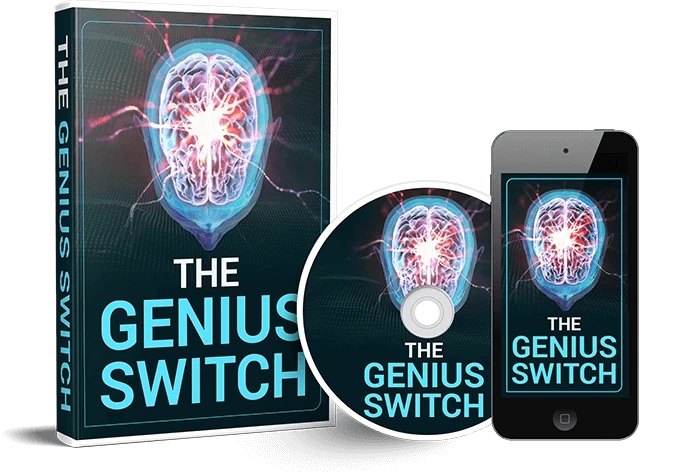
The Genius Switch
A $39 eight-minute digital audio track sold as "whole brain activation". It is an audio file, not an app or a game, and no study has tested the track itself.

Phytomem One
Once-a-day chewable tablet with a 10-ingredient proprietary blend (458 mg), designed to support memory, focus and mental clarity, according to the seller. Built around saffron, fucoxanthin, fucoidan, berberine, Ceylon cinnamon and more.
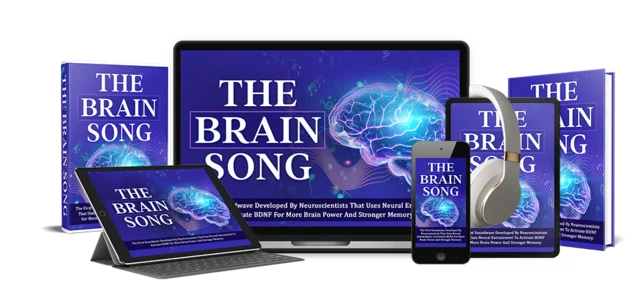
The Brain Song
A $39 twelve-minute digital audio that the seller says guides the brain toward Gamma brainwave patterns linked with BDNF, the molecule tied to learning, focus and overall brain wellness. You listen at home, once a day.
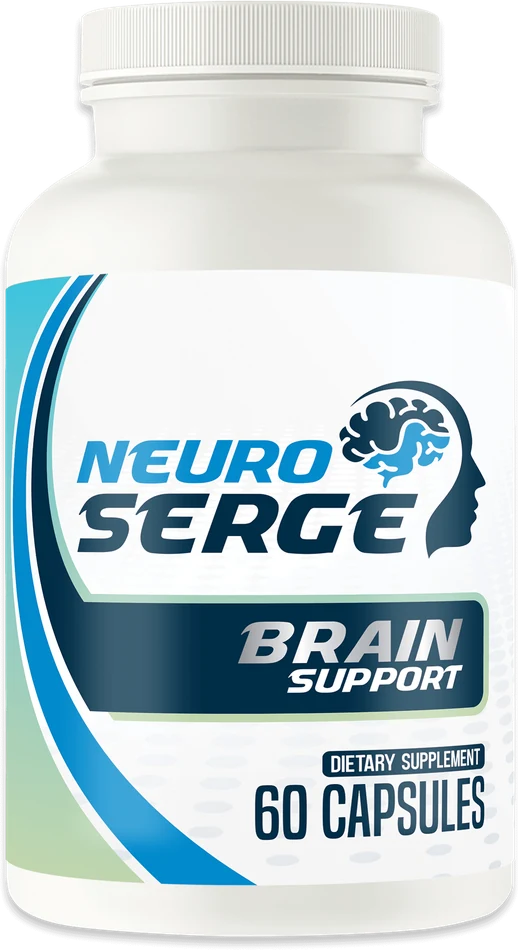
Neuro Serge
Brain support capsule (60 capsules per bottle) built around six named plant extracts: green tea, grape seed, bilberry, olive leaf, cassia cinnamon and DGL licorice. The seller says it is designed to support brain health, focus, memory and mental clarity, with a 90-day money-back guarantee counted from the order date.
More on The Genius Song: full guide · Cognitive Support products