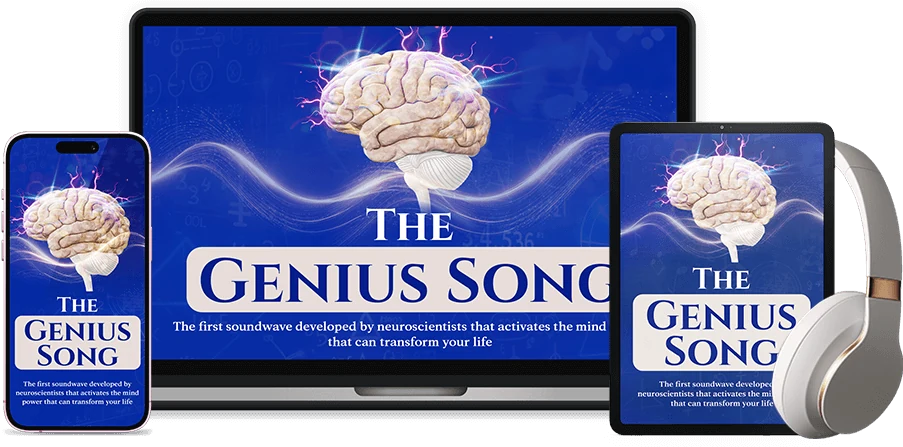
This page lists each benefit the seller claims for The Genius Song and sets it next to what published research actually shows. It is a lookup table, not a pitch. The claims come from the 39-minute sales video and the /text/ version of the sales page. None has been tested on the track itself.
Quick verdict: The pitch says one short track can “activate” a “dormant” gamma brain wave and bring insight, luck, money and better health. Gamma waves are real, and 40 Hz stimulation is an active research topic, but that work is mostly in mice and Alzheimer’s models. Binaural-beat research is mixed: one meta-analysis found a medium effect on some outcomes, while a later review found most entrainment studies did not show the brainwave change. The life-outcome claims have no research behind them at all.
How we label the evidence
The labels describe the research behind each idea, not your personal odds.
- Indirect, mixed: human studies on related audio, with results that point in different directions. Nothing on this track.
- Very limited: a loose link to research done for a different purpose.
- None: no research we know of. Seller stories only.
- Not verifiable: a seller figure with no independent source.
Claim by claim
| Claim | Source | Evidence | Our note |
|---|---|---|---|
| Calmer mood or sharper attention while listening | Implied by the “brain entrainment” pitch | Indirect, mixed | Binaural-beat research is mixed: a medium effect on some outcomes in one meta-analysis, no brainwave change in most studies of a later review |
| Faster learning, better memory | Video and /text/ | Very limited | Gamma is linked to memory processing in research, but no study shows a track can raise it to improve memory |
| ”Activates” a “dormant” gamma wave | Video | None for the track | The seller’s framing. We found no measurement of the track’s effect on gamma activity |
| Eureka moments, problems solved “with little to no effort” | Video | None | Seller stories only |
| Luck and synchronicities | Video | None | The presenter himself says there is “no evidence” for the casino stories |
| Abundance, promotions, money | Video | None | Anecdotes, including a signing bonus story |
| Relationships | Video | None | An engagement story about a colleague |
| Children’s grades | Video | None | A story about a son going from C to A |
| Weight loss (a 16 lb story) | Video | None | An anecdote |
| Quitting smoking | Video | None | An anecdote |
| Migraines and joint pain going away | Video | None | Not a treatment, per the site’s own FDA-style line |
| ”18,366” or “19,389” Americans helped | Video and /text/ | Not verifiable | Seller figures that do not match each other |
What gamma research actually shows
The video calls gamma “the super brain wave” and says modern life leaves it “dormant”. Here is the neutral version.
Gamma waves are real. They are fast brain rhythms, roughly 30 to 100 Hz, and research links them to attention and to how the brain processes memory.
The 40 Hz work is mostly in mice. MIT researchers in the Tsai lab have studied 40 Hz light and sound stimulation, mainly in mouse models of Alzheimer’s disease, with small early human trials. That research asks whether this kind of stimulation affects disease markers. It is not about IQ, luck, wealth or creativity, and it did not use The Genius Song.
The “monk” story has a real source, simplified. The video describes a man called the happiest alive whose brain was “pure gamma wave”. The closest published work we know of is a 2004 study by Lutz and colleagues at the University of Wisconsin, published in PNAS, which recorded high-amplitude gamma activity in long-term meditators. Those were people with years of practice, measured during meditation. It says nothing about a short audio track.
The “MIT found all lucky, wealthy people share one brain wave” line has no study we could find. Neither does the claim that gamma lets you “influence another person”.
The children-and-genius figures trace elsewhere. The idea that nearly all young children score at “creative genius” level comes from George Land’s creativity test, popularized in the 1992 book Breakpoint and Beyond. We found no peer-reviewed NASA paper reporting it, even though the /text/ page frames the presenter as NASA-trained.
What binaural-beat research shows
The seller describes the track as using “brain entrainment” but does not say exactly what sounds are on it. The closest research is on auditory entrainment and binaural beats. Here the research is genuinely mixed. A 2019 meta-analysis in Psychological Research (Garcia-Argibay and colleagues) found a medium overall effect on some outcomes, including cognition, anxiety and pain, across the studies it included. A 2023 systematic review (Ingendoh and colleagues) looked at whether binaural beats actually entrain brain waves: of 14 studies, 5 supported entrainment, 8 contradicted it and 1 was mixed. So there may be effects on how people feel or perform, but the brainwave mechanism the sales pitch leans on is not well supported, and nothing in that research tests this track or supports life outcomes such as luck or money.
Read the claims on the seller's own page
The sales page and its reference list are on the official site. Compare them with the table above.
Visit the official website We are independent and may earn a commission if you buy.Three gaps in the pitch
The 7-second hook and the 7-minute track
The video opens with a “seven second brain trick” and a “seven second morning ritual”. The product it sells is a track the seller says lasts about 7 minutes. The video never shows a 7-second trick separate from the track. It is a small thing, but it tells you the headline is built to grab attention, not to describe the product.
A reference list that does not match the video
The sales page carries a 14-item reference list. It cites theta and general entrainment studies, plus creativity articles from places like Inc.com, Medium and a TED talk. The video is about gamma. The same list appears word for word on the page for a 12-minute theta audio from the same seller account. A reference list shared between two products with different stories cannot be specific evidence for either one.
The presenter’s own admission
In the question-and-answer part of the video, a viewer asks whether the track will help at the casino. The presenter says some customers reported luck at slots, roulette or sports betting, then adds: “there is, of course, no evidence to support that the genius song caused that.” We think the same standard should apply to the promotion, money, weight and pain stories elsewhere in the video.
What the seller’s own documents say
- Terms, “For Entertainment Purposes Only”: “brain entrainment is not an exact science and we recommend that you do not treat it as such. The products are provided for entertainment purposes only.”
- Terms, a few sections away: “All claims regarding brainwave entrainment, focus, and mental energy are substantiated by established scientific research.” Both lines sit in the same document. We report them side by side and let you weigh them.
- Site disclaimer: “These statements have not been evaluated by the U.S. Food and Drug Administration. This product is not intended to diagnose, treat, cure, or prevent any disease.”
- The presenter: the site’s footer says “Robert Lake is a pen name used with the consent of our leading neuroscientist”. His stated credentials cannot be checked.
About the testimonials
The video features people introduced as “Rachel, a nurse from Tustin, California”, “Michael in Dallas” and “Hannah from Manhattan”. The Terms say names “have been changed”, that feedback may be acted out by “digital representations, avatars, or actors”, that some people may be “early supporters, friends, or family members of the company’s founders”, that people were compensated for sharing experiences, and that these are “exceptional results and may not reflect the experience of a typical customer”. We do not count them as evidence.
What The Genius Song has not been shown to do
- Change gamma activity, or any brain activity, in a measured way
- Improve memory, learning or problem solving over time
- Bring luck, money, promotions or a partner
- Help anyone lose weight or quit smoking
- Relieve migraines, joint pain or any other symptom
- Work on any timeline, including “the very first time you listen”
A fair way to test it yourself
If you try it anyway, rate your focus, mood and sleep for three days before you start, listen once a day at a comfortable volume, keep other habits steady, and rate again around week four and week ten. Decide by about day 80, inside the 90-day refund window. Listening precautions are on the safety page, the order contents are on the What’s Included page, and related products are under Cognitive Support.
Further reading on our blog: The Genius Song and gamma waves: what the research covers.
Want to run your own trial?
A single $39 payment and a 90-day refund window give you time for a logged, honest test.
Check the current price on the official site For entertainment purposes only, per the seller's Terms. Not a medical treatment.The Genius Song Official Pricing
The Genius Song audio track
One-time digital purchase$39/purchase- Short daily audio track (seller says about 7 minutes)
- Digital delivery after checkout
- Bonuses listed on the sales page
- 90-day money-back guarantee

Prices as published on the official order page (checked October 9, 2026). Tax and the final amount in your currency are shown at checkout. Crossed-out prices and savings are the seller's own figures.
Other Cognitive Support products we have reviewed
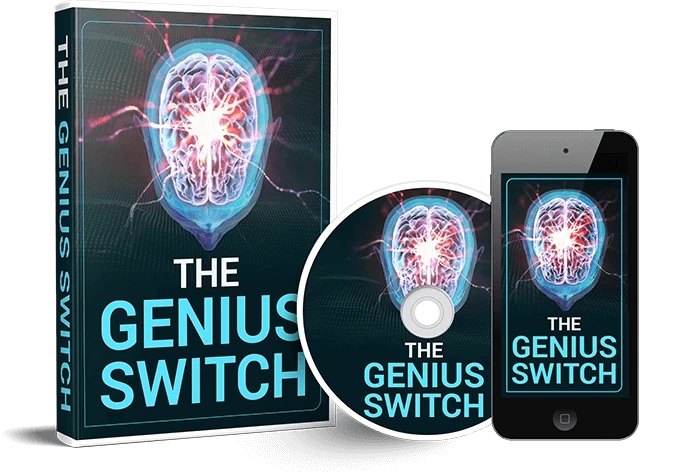
The Genius Switch
A $39 eight-minute digital audio track sold as "whole brain activation". It is an audio file, not an app or a game, and no study has tested the track itself.
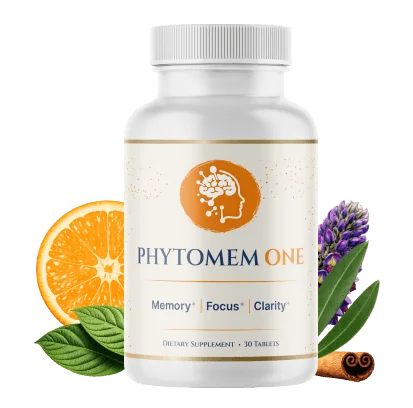
Phytomem One
Once-a-day chewable tablet with a 10-ingredient proprietary blend (458 mg), designed to support memory, focus and mental clarity, according to the seller. Built around saffron, fucoxanthin, fucoidan, berberine, Ceylon cinnamon and more.
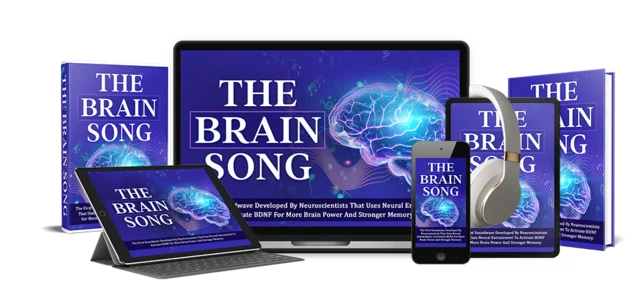
The Brain Song
A $39 twelve-minute digital audio that the seller says guides the brain toward Gamma brainwave patterns linked with BDNF, the molecule tied to learning, focus and overall brain wellness. You listen at home, once a day.
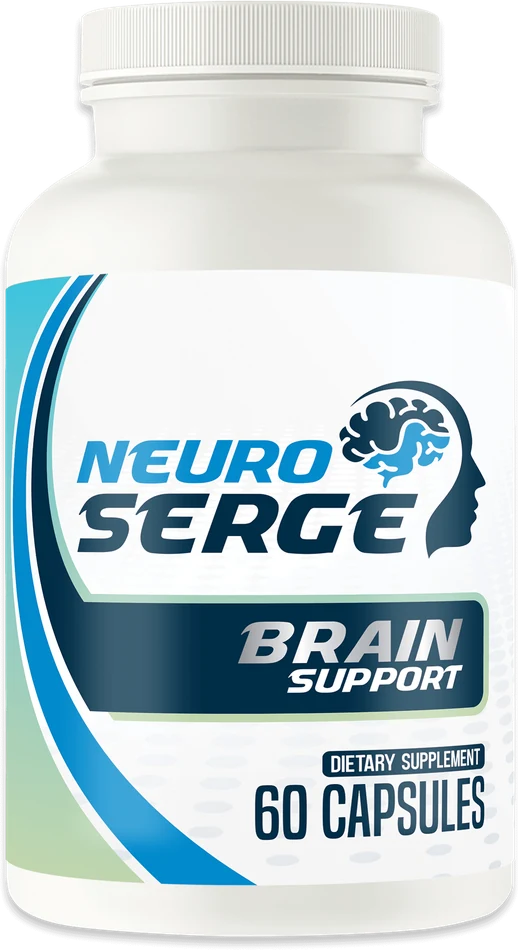
Neuro Serge
Brain support capsule (60 capsules per bottle) built around six named plant extracts: green tea, grape seed, bilberry, olive leaf, cassia cinnamon and DGL licorice. The seller says it is designed to support brain health, focus, memory and mental clarity, with a 90-day money-back guarantee counted from the order date.
More on The Genius Song: full guide · Cognitive Support products